Benefits and tips of water softeners for homeowners
We all know that high quality water is essential for good health, but did you know it can also save you money by requiring less energy to heat and extending the life of your appliances?
The most recent study done by the Water Quality Research Foundation found that soft water - water without calcium and magnesium - has many benefits.
Scaly bathroom fixtures and spotty dishes are a couple sure signs of hard water, which can cost you more than just a little embarrassment at your next dinner party.
"Most houses across the country do have hard water, and over the long term it can be damaging to your pipes as well as your water-using appliances," explained Angie Hicks. "Therefore, a water softener can be a good investment to save you money in the long run."
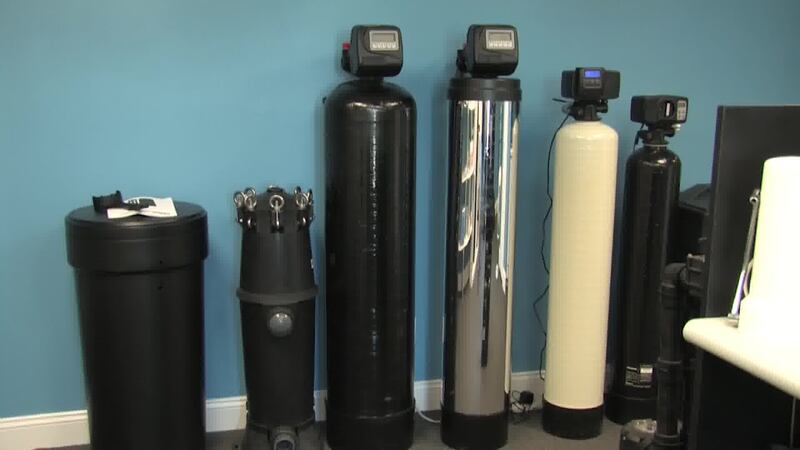
A water softening system removes the calcium from hard water, preventing it from lining your appliances and your water heater, which has two immediate benefits.
"One, it takes less energy because you don't have to heat the calcium before you heat the water, and it also adds to the life of the water heater by as much as 50%," said water softener professional Bret Petty.
There are other advantages as well.
"It affects everything in the way you feel when you get out of the shower - your hair, your skin, the laundry, how you take care of your house," Petty stated. "There's many, many different aspects of living every day that it touches."
Soft water helps cleaning agents lather better, so you'll get brighter, fresher clothes and cleaner dishes while using less soap, shampoo and detergent.
Systems can cost from a few hundred dollars to a couple thousand dollars, so understand your family's water usage before deciding which one is right for you. A unit with a separate salt tank may add to its longevity.
"If you can separate the salt or separate the potassium away from the controls and other hardware, it's a natural barrier that makes the system last longer and limits 'water damage' to your home," Petty stated.
Softeners require regular refills of sodium chloride - salt - or potassium chloride, which is a little more expensive but a better choice for people who are sensitive to the effects of salt.
Although 85% of the country has hard water, you should get yours tested if you're not sure. Anything around 10 grains or more should be treated.
If you're looking to add more life to your water-using appliances and save money on soap and detergent in the process, it may be worth looking into buying a water softener. Water softeners soften the water by removing minerals such as calcium and magnesium and replacing them with a softer mineral - sodium or potassium. Here's a short list of benefits:
• Soft water can reduce energy bills by keeping your water heater free of deposits that can take it longer to heat your water.
• Soft water can make your hair and skin look and feel healthier because hard water can dry them out.
• Soft water can eliminate "soap scum" left behind when cleaning with hard water.
Before hiring a water conditioning or softening company, make sure you research the company and know whether or not they offer a money-back guarantee if you're not satisfied with the results. Learn how hard the water is in your area and research the products and companies. Be sure to work with a reputable company that offers a money-back guarantee and whose installers are certified by the Water Quality Association.