Bill would allow unlicensed teachers to educate Indiana students
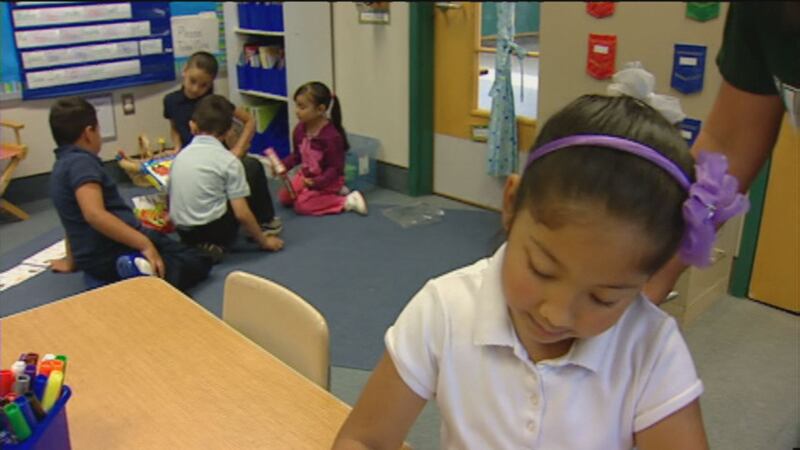
Indiana state lawmakers are considering a measure to allow unlicensed teachers to educate students in public schools. Under Senate Bill 387, 10 percent of the teaching staff at a school would not need a license or be in the process of obtaining a transition to teaching license.
According to State Rep. Robert Behning (R-District 91), the bill's co-sponsor, Indiana college students studying to be teachers are failing the state's teacher license exam.
"What we’re trying to do, for a fixed period of time, is for those students who have unsuccessfully been able to pass the teacher license exam, we have opened the window, which matches what we currently do for charter schools, for school districts to hire no more than 10 percent of their teachers can be unlicensed," explained Behning.
If passed, the bill goes into effect immediately until August of 2021, says Behning, who adds having unlicensed teacher isn't ideal nor long-term, though it's not a foreign concept in the state.
"Under our (state's) C.T.E. licenses, our career and tech licenses, today, you can hire someone, for instance, in maybe that has done aviation maintenance that may not have a college degree," Behning stated.
He thinks the proposal has the biggest potential impact in rural districts and communities with teacher shortages. But Behning cautions against the notion that an unlicensed teacher is uneducated.
"You could have professors, who are teaching our teacher prep candidates, teaching in a university setting who are not licensed teachers to teach in Indiana's K-12 schools," said Behning.
"It's a disgrace."
S.B. 387 isn't sitting well with Jason Zook, the president of NEA South Bend, the local teachers' union. He calls the proposal "a disgrace."
"Our legislators need to respect the teaching profession, as a whole, and stop trying to water it down -- stop trying to just piecemeal a plan together," argues Zook.
He says if lawmakers want to ameliorate the teacher shortage, then give teachers need greater support and resources, which include better pay and benefits. Zook says teachers are leaving the profession due to the state's hyper-focus on test scores and evaluation, adding inner-city schools are being stripped of funding.
"Meet with educators. Meet with those that are retiring. Meet with those that have left the profession. Meet with those that are buried in the trenches and (ask), 'What can we do to improve education in Indiana?'" Zook posed.
S.B. 387 does not specify a degree requirement nor the experience needed to be an unlicensed teacher. Rep. Behning says districts would decide if a candidate's experience is sufficient. He further argues state law does not require substitutes to be licensed educators.
"In some cases, we have permanent subs in our classrooms that are serving as teachers because of the shortage we have in some subject areas -- and they're not required to have any level of education unless the school district says, 'We're not going to hire anybody,'" said Behning.
Currently, Indiana school districts can apply for emergency permits, allowing people with Bachelor degrees to become licensed teachers. According to Jason Zook, 10 percent of teachers in South Bend have emergency permits.
State Rep. Behning, who represents part of the Indianapolis metropolitan area, says the bill would allow school districts to pay supplements to educators who teach STEM subjects or special education, since those areas typically have the highest teacher shortages. Additionally, he says S.B. 387 allows superintendents to "front-load" higher pay for newer teachers, during collective bargaining agreements. Behning believes this initiative will encourage teachers to join and stay in the profession.
Also, the proposal mandates the Indiana Department of Education to evaluate the various companies that sell teacher licensing tests.
Lawmakers are expected to vote on the bill the week of March 11.